The Most Typical Appliance Issues and How Appliance Repair Services Provide Assistance
Household appliances are essential to contemporary life, yet they frequently develop issues that can interfere with everyday routines. Frequent concerns encompass fluctuating refrigerator temperatures, leaking washing machines, take action and oven performance failures. While these challenges can seem intimidating, appliance repair services offer expertise in diagnosing and resolving such problems efficiently. Understanding how these services operate can provide valuable insights into maintaining appliances and avoiding costly repairs. What specific issues should homeowners be aware of to prevent further complications?
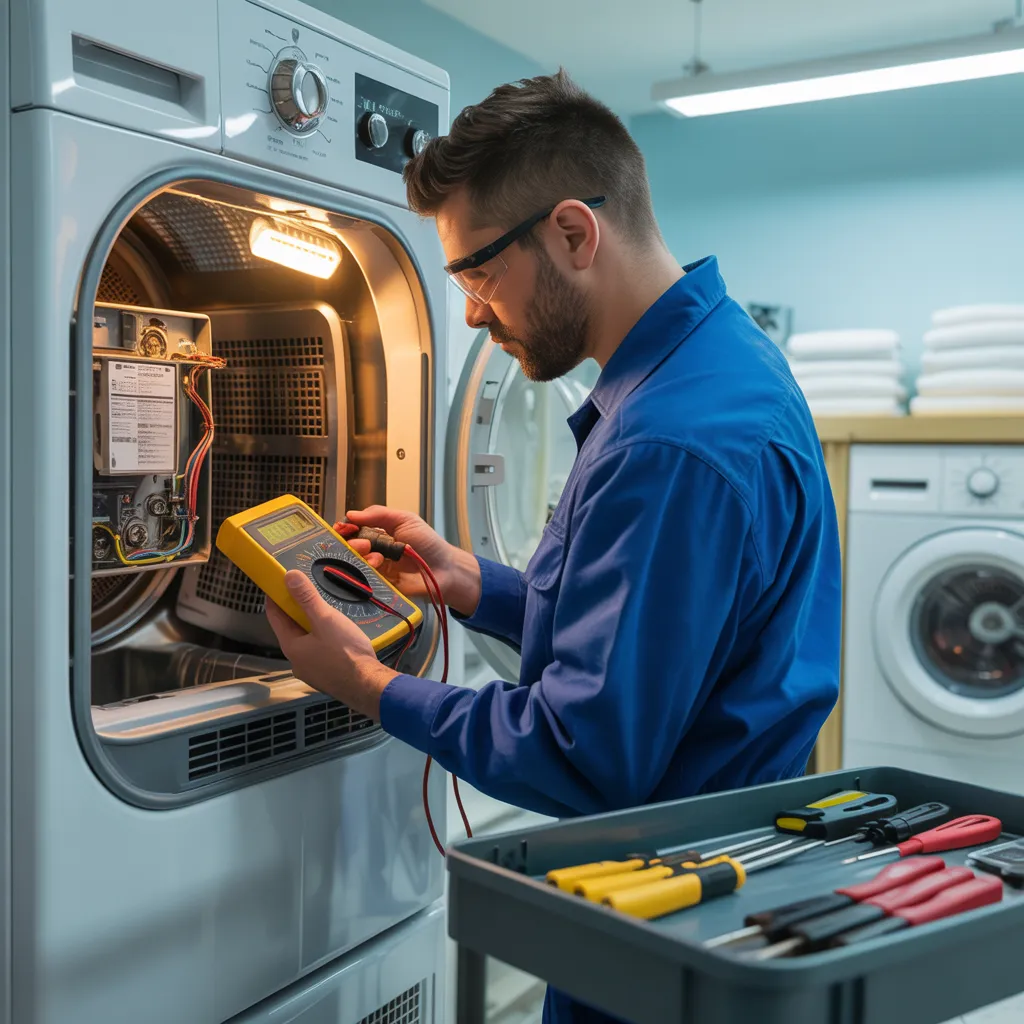
Spotting Typical Appliance Malfunctions
Many households experience appliance issues at some point, making it important to identify common issues early. Household appliances like ovens, refrigerators, and washing machines can show symptoms of malfunction which, if left unaddressed, may cause costlier repairs. For instance, a refrigerator may fail to maintain an even temperature, causing food to spoil. Washing machines might present dripping or strange sounds, suggesting possible mechanical issues. Ovens may not heat evenly or may fail to turn on at all, resulting in cooking difficulties. In addition, dishwashers might display indications of inadequate cleaning results or drainage problems. Detecting these problems in a timely manner can help save both time and money in the long run. Through understanding the typical symptoms associated with appliance breakdowns, homeowners can make informed decisions regarding when to obtain qualified repair technicians, ensuring their appliances remain functional and efficient.
How to Diagnose Refrigerator Problems
When dealing with refrigerator problems, pinpointing typical faults is the first step towards resolution. Simple troubleshooting steps can often resolve minor issues, making it essential to be familiar with these approaches. However, recognizing when expert assistance is needed can prevent further damage and ensure successful fixes.
Typical Refrigerator Concerns
Refrigerators are indispensable home appliances, and dealing with malfunctions can upset daily schedules. Typical concerns involve poor cooling performance, where groceries may deteriorate from improper temperatures. Unusual sounds, like popping or buzzing, may signal mechanical failures. Furthermore, water leaks may result from blocked defrost drains or compromised door seals, resulting in possible water damage. Another frequent problem is frost buildup in the freezer, which may result from a faulty thermostat or improper door closure. Lastly, foul smells can develop from spoiled food or a failing evaporator fan. Being aware of these prevalent refrigerator concerns can enable homeowners to spot problems early and obtain proper repair services to effectively restore operation.
Common Troubleshooting Steps
Detecting refrigerator faults can often be straightforward with a handful of straightforward checks. To begin, verifying the power source is critical; confirming the appliance is plugged in and the outlet is functioning can fix numerous problems. Following that, checking the temperature controls confirms they are properly set. If the refrigerator is too warm, examining the door seals for cracks or blockages can help maintain proper cooling. Additionally, cleaning the condenser coils, usually found at the rear or bottom of the appliance, can boost overall functionality. When frost develops inside the freezer, defrosting may be necessary. Lastly, pay attention to strange sounds, as they can indicate mechanical problems. These simple measures can regularly aid in pinpointing and addressing frequent refrigerator concerns successfully.
When to Contact Experts
How does one know when it's time to seek expert assistance for refrigerator problems? Indicators that suggest the need for expert assistance include persistent temperature fluctuations, unusual noises, or water leaks. If basic troubleshooting—like inspecting the power source and maintaining the condenser coils—fails to resolve the problem, it may be advisable to reach out to an expert. Moreover, if the refrigerator is older and subject to recurring malfunctions, investing in repair services could prevent further costs. Less typical problems such as defective compressors or electronic malfunctions generally demand technical expertise and specialized tools. Experts not only identify issues accurately but also offer long-term solutions, making sure the appliance functions properly and safely. Recognizing these signs can save time and potentially prevent costly repairs.
Helpful Tips for Troubleshooting Washing Machine Issues
Although washing machines are designed for durability, they can experience a variety of problems that may interfere with their operation. To address common problems, users can first examine the power supply and verifying that the unit is connected and functioning properly. If the machine is unable to take in water, inspecting the water supply valves for blockages or leaks is essential. In addition, users should check the door lock assembly; a faulty locking mechanism can stop the unit from initiating a cycle.
For machines that vibrate excessively, adjusting the leveling feet can help stabilize the appliance. Consistent maintenance, like cleaning the filter and hoses, can also help avoid clogs and boost overall performance. Finally, when unusual noises occur, users should verify that items are not trapped in the drum. By applying these suggestions, users can frequently address minor washing machine problems before contacting professional repair technicians.
How to Detect Common Oven Malfunctions
What actions can homeowners perform to troubleshoot frequent oven problems? Initially, they should examine the power connection. Confirming the oven is securely plugged in and the circuit breaker has not been triggered is necessary. Following that, homeowners should review the temperature controls and verify they are properly configured. When the oven does not produce heat, evaluating the heating elements for continuity through a multimeter may be advantageous.
Additionally, unexpected sounds during operation may suggest a mechanical concern, calling for a careful review of the fan or motor. Residents should additionally check the door seal for any deterioration, because a damaged seal could reduce cooking effectiveness. Finally, checking for error codes on digital displays can provide insight into specific malfunctions. By carefully examining these elements, homeowners can develop a stronger grasp of underlying issues, allowing them to convey their concerns accurately to appliance repair technicians when expert help is required.
Resolving Dishwasher Drain Issues
Resolving drainage problems in dishwashers calls for methodical inspection and careful troubleshooting. When a dishwasher fails to drain properly, it is commonly due to congested filters or restricted drain hoses. Users should first inspect the filter, given its tendency to collect food fragments and debris, blocking the passage of water. Cleaning the filter can resolve many drainage problems.
Furthermore, checking the drain hose is essential. A twisted or obstructed hose can prevent water from exiting the appliance. Checking that the hose is free of clogs will assist in reestablishing correct drainage. Furthermore, checking the air gap, if installed, can identify blockages that interfere with drainage.
In some instances, the malfunction may be associated with the dishwasher's pump system. If the pump is malfunctioning, it may require professional repair services to assess and fix the issue. Timely intervention can prevent further complications and confirm the unit functions properly.
Why Delaying Appliance Repairs Is a Mistake
Putting off appliance repairs can lead to serious problems for households. When appliances malfunction, even minor issues can turn into serious issues if not handled in a timely manner. For example, a tiny leak in a refrigeration unit can eventually result in structural water damage, mold development, and rising energy expenses. Additionally, ignoring warning signs often results in a total failure, necessitating costly repairs or complete replacement.
Moreover, faulty appliances may present serious safety concerns, such as electrical dangers or fire risks resulting from defective wiring. Households can also encounter significant inconveniences, such as disrupted daily routines and diminished quality of life. Prompt repairs not only recover proper operation but also prolong the service life of appliances, ultimately saving money in the long run. Reaching out to appliance repair experts in a timely manner assures that concerns are evaluated thoroughly and resolved promptly, reducing the risk of further issues and protecting the overall safety of the home.
Answers to Popular Questions
How Can I Extend the Lifespan of My Appliances?
To maximize the longevity of appliances, consistent upkeep is necessary. Routine cleaning, refraining from overloading, guaranteeing adequate ventilation, and complying with manufacturer instructions can substantially boost their reliability and effectiveness, ultimately saving time and money in the long run.
Are DIY Repairs Safe for All Appliance Types?
DIY repairs are not universally safe for all appliance types. While some smaller issues are manageable without professional help, complicated repairs generally necessitate professional skills to prevent potential hazards and further harm to the appliance.
How Do I Know When I Need Professional Appliance Repair?
Warning signs that suggest professional appliance repair is needed consist of strange sounds, water leaks, inability to power on, erratic performance, and error messages. Prompt action stops additional damage and ensures appliances function properly and safely.
How Much Do Appliance Repair Services Typically Cost?
Appliance repair costs are generally between $100 and $300, depending on the issue and appliance type. The final price can be considerably influenced by factors including required parts, labor complexity, and geographical location.
Can Scheduled Maintenance Prevent Appliance Breakdowns?
Routine maintenance can greatly prevent appliance problems by maintaining peak performance and recognizing potential concerns ahead of time. This proactive approach decreases the risk of high-cost repairs and increases the longevity of residential appliances.